
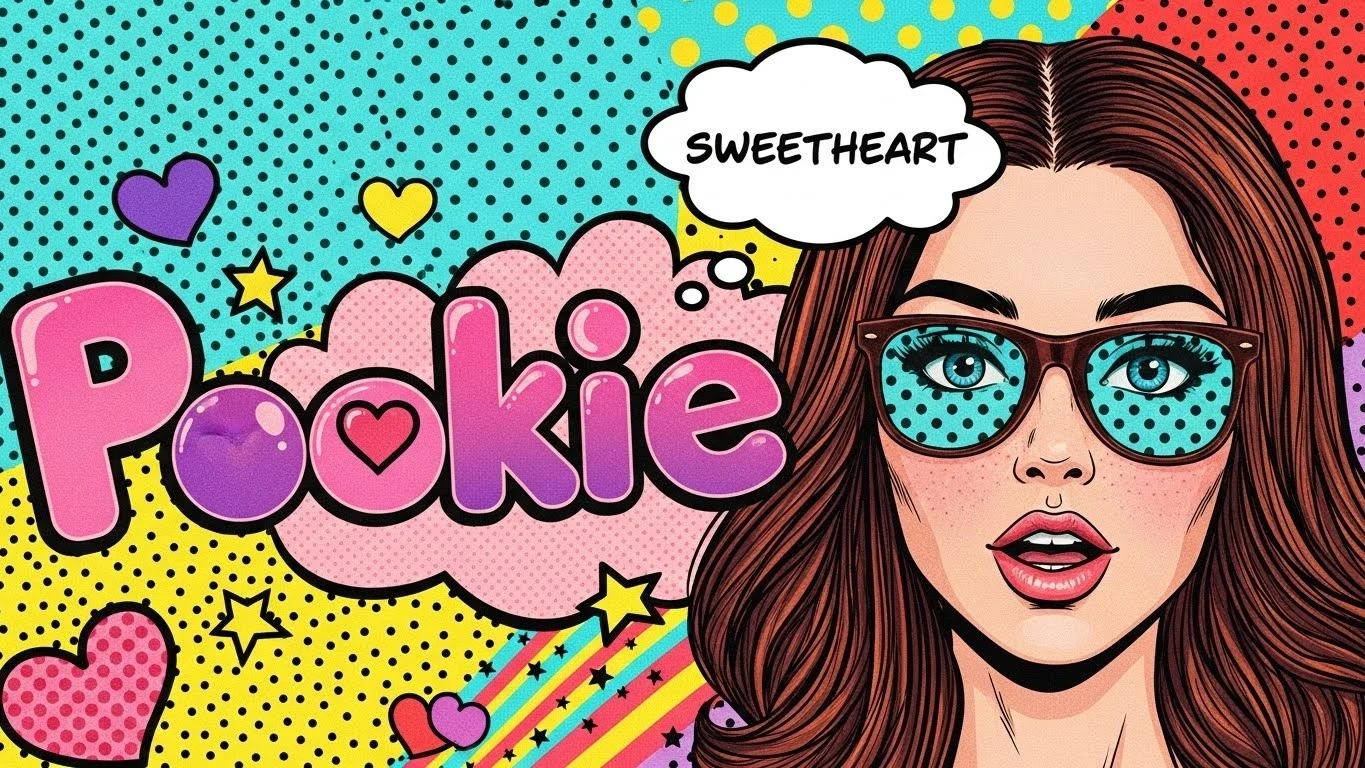
Language is constantly evolving, especially among Gen-Z and online culture. Some words feel timeless (like “babe” or “cutie”), and some go viral seemingly overnight—like “pookie.” You’ll hear it on TikTok, in memes, inside Snapchat chats, or whispered during a flirty FaceTime. It feels cute, warm, and personal.
But if you’ve ever wondered why a girl calls someone “pookie,” you’re not alone. The term isn’t random. It sits at the intersection of affection, comfort, and intimacy, and it reveals more about your relationship than you might think.
For many guys and even girls, the sudden rise of “pookie” can be confusing. Is it romantic? Is it friendly? Is it playful? Or is it just another pet name that doesn’t mean anything at all? Don’t worry—this guide breaks it down in a relatable, Gen-Z friendly way so you never have to guess if you’re being flirted with, adored, or just jokingly memed on.
🔥 Quick Answer
When a girl calls someone “pookie,” she’s expressing affection, comfort, or emotional closeness.
It’s usually a playful nickname used for someone she likes, cares about, or feels safe around similar to calling someone “baby,” “boo,” “hun,” or “cutie.”
🌸 The Origin of “Pookie”: Where It Came From
“Pookie” isn’t new. It has roots in early 2000s culture, old-school pet names, and even childhood nicknames. But social platforms like TikTok, Instagram, and Snapchat turned it into a next-level trend. Shareable meme sound bites, POV videos, and relationship skits brought the term back into the spotlight.
It spread quickly because:
- It’s fun and cute.
- It rolls off the tongue.
- It feels modern yet sentimental.
- It’s visually adorable in texts and captions.
Online, people started using “pookie” as a staple of couple content. You’d see:
- “Wake up, pookie 😘”
- “Good morning pookie bear”
- “I love you, pookie 💗”
The word became performative and romantic, but also goofy and lighthearted—exactly the vibe Gen-Z thrives on.
💖 When a Girl Calls You “Pookie”: Real Meaning Explained
The meaning depends on the relationship dynamic. Girls use affectionate nicknames differently depending on comfort, context, and emotional investment.
Here are the main ways it shows up:
💘 1. Romantic Interest
If she uses “pookie” with softness, emojis, or a flirty tone, she likely has a crush on you or is already invested in something deeper.
Examples:
- “I missed you today, pookie.”
- “Come over, pookie, I’m bored.”
- “You’re my pookie forever.”
Key signs:
- She reserves it only for you.
- She uses it during vulnerable or sweet conversations.
- She pairs it with affection-heavy emojis (💗🥹😘🫶).
This is the level where “pookie” becomes a form of emotional ownership: a digital cuddle, a verbal hug.
😊 2. Soft Friend Energy
Sometimes a girl calls her close friends “pookie” as a way of showing warmth without romance.
Think of it like:
- “Bro” but cute
- “Bestie” but fluffy
- “Homie” but gentle
Example:
- “Pookie, are you coming to brunch?”
- “Tell me why this professor hates me, pookie.”
No flirting, just wholesome vibes.
😏 3. Teasing or Playful Chaos
Sometimes she uses it sarcastically:
- To tease your ego
- To troll a dry text
- To make fun of how serious you are
Example:
- “Okay pookie, calm down.”
- “Sure thing, pookie police officer.”
This usage is about tone. If she says it like she’s trying not to laugh, she’s probably poking fun at you.
❗️Context Matters
You can’t decode a single “pookie” message in isolation. Look at:
- Timing: Was it sent late at night? Early morning?
- Frequency: Does she use it often or randomly?
- Exclusivity: Is she calling half her group chat “pookie”?
- Platform: TikTok comments vs. private DMs are not the same level.
💌 Emotional Layers Behind “Pookie”
There’s a psychology aspect to affectionate nicknames. They create a feeling of:
- Safety: Being trusted.
- Nurture: Being cared for.
- Belonging: Feeling special.
- Playfulness: Keeping interactions light.
Girls choose “pookie” because it sounds:
- Non-threatening
- Cozy
- Soft and sweet
- Slightly childish (in a good way)
It triggers comfort instincts. You can’t sound aggressive calling someone “pookie.” It’s literally impossible.
🎀 “Pookie” vs. Other Pet Names
People want to know how it compares to classics. Here’s how “pookie” works in social currency:
⭐️ “Babe”
- Romantic
- Established
- Serious relationship energy
- Used by couples
💫 “Boo”
- Cute
- New relationship vibes
- Flirty but quick to use
🌼 “Honey”
- Soft and old-school
- Can be caring or maternal
🎈 “Pookie”
- Childlike sweetness
- Internet-coded affection
- Gen-Z humor layered with love
- Playful intimacy
“Pookie” hits a different emotional spectrum—lighter, sillier, but surprisingly meaningful.
🐻 Who Gets Called “Pookie”? (Real Scenarios)
Not everyone gets the privilege. Girls rarely give affectionate nicknames to people who don’t matter.
You’re more likely to be “pookie” if:
- You’re someone she trusts.
- You’re emotionally available.
- You make her laugh.
- You’re consistent in her life.
- You don’t constantly stress her out.
Let’s break it down with examples.
Scenario A: The boyfriend
She texts:
“My pookie slept all day.”
She’s not joking. She’s claiming you.
Scenario B: The crush
She says:
“Goodnight, pookie 😳”
She’s testing the waters, waiting to see how you respond.
Scenario C: The best friend
She shouts:
“Come here pookie!!!”
Friendship version of chaos. Still affectionate.
Scenario D: The sarcastic coworker
She says:
“Relax pookie, we get it.”
The “I’m clowning you” variant.
📱 TikTok and the Meme Culture Impact
TikTok didn’t create “pookie,” but it amplified it hard.
Creators turned it into a personality:
- Couples doing “my pookie did this 😭”
- Girls using it in POV comfort videos
- Boyfriends reacting to being called “pookie”
- Streamers calling chat “pookie bear”
Once a word becomes a meme,
it stops being “just a word.”
It becomes identity.
Calling someone “pookie” signals:
- They’re adorable
- They’re worth attention
- They’re emotionally soft to you
- They’re kind of your little pet chaos animal
It’s basically TikTok’s version of “sweetheart.”
🤍 Voice Tone: How It Changes the Meaning
You can’t decode “pookie” without tone.
🥺 Soft voice:
“Come here, pookie…”
= romantic, nurturing, attachment
😁 Giggle:
“Look at you pookie!”
= playful, teasing, comfort zone
🙃 Flat tone:
“Okay, pookie.”
= sarcastic dismissal
The word doesn’t define the vibe. The delivery does.
💬 How Girls Use It in Text (Examples)
Girls rarely dump pet names without emotional cues. Look for the surrounding dialogue.
Romantic examples
- “I’m so proud of you, pookie 🥰”
- “Get home safe, pookie 💕”
- “You’re my pookie forever.”
Friendship examples
- “Lunch at 3 pookie?”
- “Pookie I’m dying 😂😂😂”
- “You’re dramatic pookie, shut up 😭”
Sarcastic examples
- “Sure pookie 🤡”
- “You’re so smart pookie genius.”
- “Fix the WiFi pookie tech lord.”
📊 Frequency: The Secret Relationship Meter
This is underrated but real.
When a girl starts calling someone “pookie,” the more she repeats it, the more comfortable she is emotionally.
One time
= Testing, flirting, or joking.
Sometimes
= Warmth, affection, emotional security.
Every other sentence
= You’re not “someone”… you’re her person.
Pet names multiply when emotional connection grows.
🧠 Why Pet Names Work (The Psychology Part)
Affectionate language helps:
- Build attachment
- Create micro-moments of intimacy
- Reduce emotional distance
- Allow vulnerability
Nicknames = shared identity.
“Pookie” becomes:
A tiny secret bubble between two people.
It feels personal. Even if millions use it online, the feeling is localized:
“You’re my pookie, not theirs.”
This emotional exclusivity is why it hits harder than generic flirting.
🚩 When “Pookie” Is a Red Flag
Yes—sometimes it’s NOT wholesome.
- She barely knows you but uses it to manipulate attention.
- She uses it to test your emotional availability.
- She wants compliments or money from you.
- She is breadcrumbing you.
If it appears out of nowhere and disappears when you reciprocate…
that wasn’t affection. That was bait.
💭 How to Respond Smoothly
If you want to match the vibe, keep it soft and playful.
Cute replies
- “Hey pookie :)”
- “Miss you too, pookie.”
- “What’s up, trouble?”
Flirty replies
- “Don’t start, pookie 😏”
- “Only for you.”
Safe neutral reply
- “Lol you’re ridiculous.”
Don’t panic. The goal is fun, not formality.
🪩 Should You Use It Back?
Yes—if you’re comfortable and the energy is mutual.
Girls use nicknames as emotional bridges. Matching it signals:
- You’re not afraid of intimacy.
- You’re not cold.
- You’re playful and receptive.
But do NOT overdo it. When you spam it, it loses sparkle.
❤️ Final Thoughts
“Pookie” looks like a meme word, but it’s actually emotional shorthand. It wraps affection in humor, makes closeness casual, and lowers the social pressure of “I like you.”
When a girl uses it with warmth, she’s showing trust. When she uses it with teasing, she’s being comfortable around you. And when she uses it sarcastically, she’s having fun with the social power balance.
It’s not just a nickname.
It’s a vibe.
It’s a signal.
It’s a digital love language.

Chloe Evans is the creative soul behind the heartfelt stories and magical moments shared on this anniversary journey. Passionate about celebrating love, Chloe brings together the beauty of timeless relationships through inspiring narratives, photography, and personal experiences. With a deep appreciation for the milestones that define true love, Chloe’s words capture the essence of enduring bonds and the joy of every anniversary moment.