
Communication in the digital world has its own language. If you’re scrolling through TikTok comments, Snapchat stories, or Instagram DMs, you’ll see abbreviations everywhere.
Some people use them casually, others use them to keep conversations short and fun. Among the most common slang terms, one that regularly confuses people is “LMS.”
You might see it on a friend’s selfie post, a funny meme caption, or in a group chat, and you’re left thinking… what does this even mean?
Don’t worry you’re not alone. LMS has become extremely popular because it’s interactive, social, and encourages engagement.
Let’s break it down clearly, without confusion, so you can confidently use it like a pro.
⚡ Quick Answer
LMS = Like My Status.
People usually post it on social media (especially Snapchat, Instagram, TikTok, and Facebook) to get likes and start a conversation.
It can also be followed by a “for…” prompt, meaning they’ll do something if you like their post.
💬 Why Do People Use LMS?
LMS isn’t just text slang — it’s digital engagement psychology at its finest.
Here’s why it blew up:
- Boosts engagement: Asking for likes is a subtle way of saying “interact with my post.”
- Creates curiosity: People want to know what happens after they like the post.
- Fun interaction: It feels like a mini-game or social challenge.
- Gen-Z communication style: Short, fast, and less formal.
- Viral trend dynamics: The more people like, the more visibility the post gets.
LMS often appears in captions, stories, or Snapchat text overlays. It’s part of social media culture where attention equals currency.
📱 Everyday Examples of LMS
Seeing the abbreviation in real chat formats helps it click:
- Instagram Story:
“LMS and I’ll answer 3 personal questions 😈” - Snapchat:
“LMS if you wanna know what happened last night 💀” - TikTok Comments:
“LMS if you want a part 2” - Private DM:
“LMS and I’ll reveal the tea ☕️” - Facebook Status:
“LMS and I’ll rate your profile 1–10”
Each version has the same core meaning: react to my post, and I will respond.
🔥 Popular LMS Formats (Content Creators Love These)
Creators don’t just write “LMS.” They often use it with a twist, like a promise or reward.
Here are trendy versions:
- LMS for a Q&A session
- LMS and I’ll roast your profile
- LMS for my workout playlist
- LMS and I’ll DM you a secret
- LMS and I’ll post a face reveal
- LMS if you want the next chapter of the story
- LMS and I’ll follow back
- LMS to see what I’m wearing today
The phrase works like a digital coupon: you “pay” with a like, and they “deliver” with content.
🧠 LMS as a Social Interaction Tool
LMS isn’t just about metrics — it’s about connection.
Think of it like a classroom icebreaker but for the internet:
- You interact with someone’s post.
- They give something back — a rating, response, or secret.
- A chain reaction starts: friends join, strangers join, the post grows.
It makes people feel noticed.
That’s why it’s so widespread among teens, influencers, and content creators.
👀 Hidden Meanings of LMS (Yes, There Are More)

Although the primary meaning is Like My Status, some communities use it differently.
✨ Alternative Meanings
Depending on context:
- Let Me See
- Last Man Standing
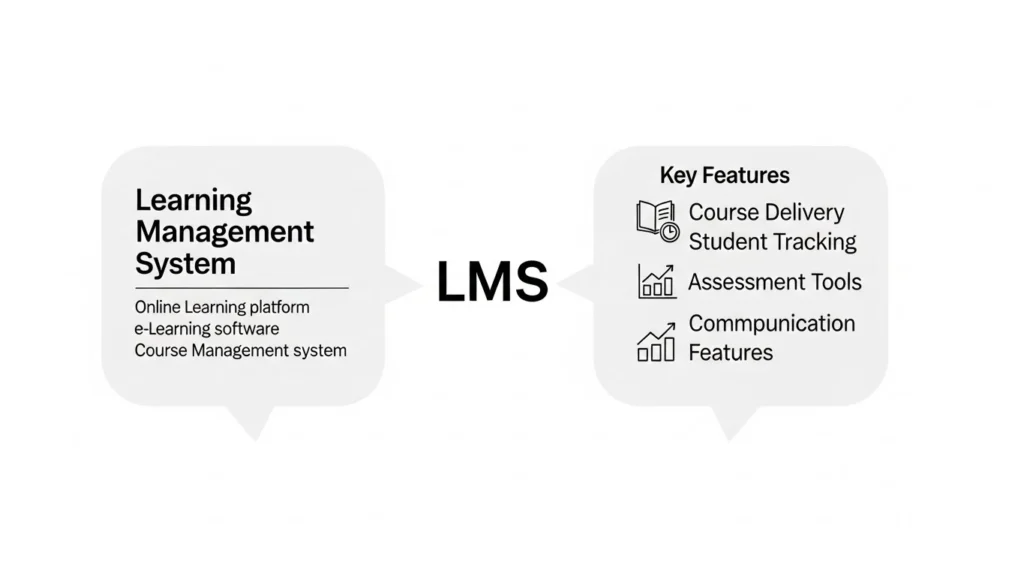
- Learning Management System (educational tech)
- Leave Me Smiling (rare, affectionate)
But here’s the rule:
If it’s in a casual post, story, or chat — it almost always means Like My Status.
Educational or corporate contexts usually mean Learning Management System. Gaming communities might use Last Man Standing. Context is everything.
🎯 How Context Defines Intent
To decode slang, don’t just read the letters — look at the environment:
✔️ Social media feed → Like My Status
✔️ Snapchat streaks → Like My Status
✔️ Online classroom → Learning Management System
✔️ Battle royale gaming → Last Man Standing
Example:
You’re on TikTok, and someone posts:
“LMS for pt. 3”
Nobody is talking about education.
They’re asking for likes in exchange for new content.
📩 LMS in DMs — Flirty, Friendly, or Just Curious?
Sometimes LMS goes private.
- Flirty:
“LMS and I’ll tell you what I really think about you 😉” - Friendly:
“LMS and we’ll hang this weekend” - Intriguing:
“LMS if you wanna know the drama”
The sender is basically initiating a conversation.
Likes = permission to proceed.
💡 Why Teens and Gen-Z Use LMS More
Short answers: dopamine, validation, and engagement.
In digital culture:
- A like = social approval.
- A like = reaction.
- A like = conversation starter.
When someone posts LMS, they’re inviting attention in a socially acceptable way.
Instead of saying:
“Someone talk to me.”
They say:
“LMS for something fun.”
It’s a confidence shield.
It removes embarrassment and replaces it with playfulness.
📊 LMS in the Age of Algorithms
Platforms reward engagement.
When users interact with a post:
- The feed algorithm pushes it higher.
- Visibility increases.
- More people join in.
- More likes arrive.
This is why influencers use LMS challenges — it’s a strategic tool.
Think of LMS as a micro call-to-action:
- Short ✔️
- Viral-friendly ✔️
- No effort for the viewer ✔️
🧩 Modern Variants: LMS + Number
You’ll often see something like:
- LMS for a 1–10 rating
- LMS for a compliment
- LMS and I’ll assign you an emoji
- LMS and I’ll ship you with someone
These “LMS games” are social bonding mechanisms.
They turn passive scrolling into active interacting.
Here are popular ones:
- LMS for BFF ranking
- LMS for random song lyric
- LMS for a dare
- LMS for your personality type
- LMS for a truth or dare question
They’re fun, non-threatening, and inclusive — which makes them viral.
🤝 Is LMS Manipulative or Just Social?
It depends on intention.
When LMS is healthy:
- You share fun content.
- You connect with friends.
- You encourage engagement playfully.
- You follow through on your promises.
When LMS is unhealthy:
- You beg for attention.
- You rely on likes for validation.
- You push others into uncomfortable interactions.
The keyword: balance.
Like everything online, it should feel natural, not forced.
🌐 LMS Across Platforms
Each social platform has its own vibe. LMS adapts:
TikTok
- Creator posts: “LMS if y’all want part 3.”
Snapchat
- Private snaps: “LMS if you wanna know the story.”
- Stories: “LMS and I’ll answer 10 questions.”
- Status posts or throwback trends.
The format adjusts to the culture of the platform, but the meaning stays consistent.
🏆 LMS vs. Other Engagement Slang
To communicate like a native internet speaker, know the difference:
- TBH — To Be Honest
- F4F — Follow For Follow
- PMOYS — Put Me On Your Story
- HMU — Hit Me Up
- FR — For Real
- DMO — DM Me Or…
These terms revolve around attention, emotion, or social validation.
LMS fits perfectly into this ecosystem.
🛡️ Safety and Privacy Tips
While LMS is fun, don’t ignore safety:
- Don’t reveal sensitive personal info.
- Don’t pressure strangers to interact.
- Avoid sending embarrassing responses.
- Never tie LMS to bullying or exclusion.
Healthy social media = respect + boundaries.
🌟 Final Thoughts
Slang evolves with culture, and LMS is a product of digital era communication. It turns a static post into a two-way connection.
Whether you’re teasing more content, hoping to start a fresh conversation, or simply building engagement, LMS is a simple and effective tool.
Use it wisely.
Use it playfully.
Use it to connect not to compare yourself to others.
