
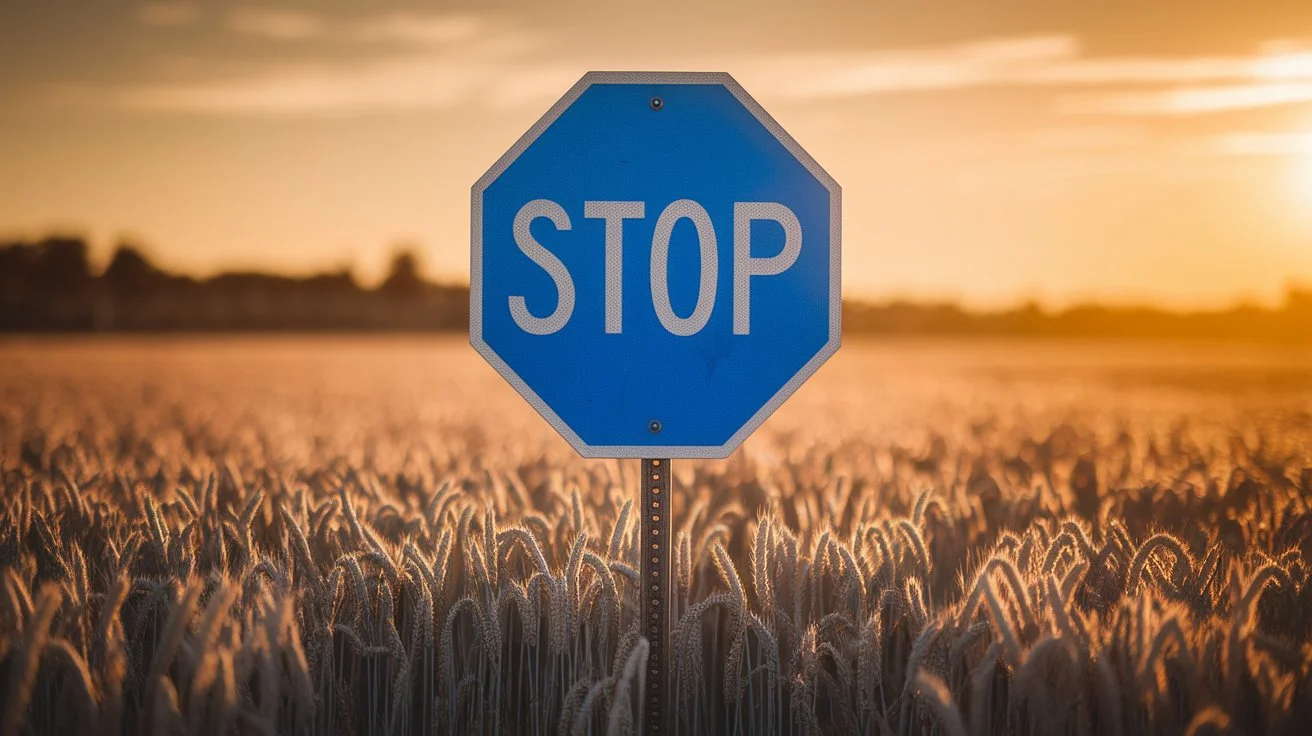
Imagine you’re driving down the road, vibing to your playlist, and suddenly you spot something strange: a blue stop sign. Not red… but BLUE. 😳
The first time I heard someone mention it, I thought they were joking. After all, stop signs have been red for as long as we can remember. So seeing (or even hearing about) a blue one instantly raises eyebrows. Is it a prank? A new rule? A secret road sign?
Don’t worry—this guide clears up everything.
👉 Quick Answer: A blue stop sign usually does NOT exist in normal road systems. When seen, it typically means private property signage, novelty signs, or rare experimental uses—not an official traffic command.
🧠 What Does a Blue Stop Sign Mean?
In official traffic rules worldwide, stop signs are always red because red signals danger, attention, and immediate action.
A blue stop sign, however, is not an official or government-approved traffic sign in most countries, including the U.S., U.K., Canada, Australia, and Europe.
So what does it mean?
A blue stop sign is usually:
- A private property sign
- A novelty or decorative sign
- A customized sign for a business or neighborhood
- A rare experimental or educational sign
Because blue is used for information, services, or guidance signs, not commands, a blue stop sign does not legally require drivers to stop unless it’s placed on private property.
Example:
You might see a blue stop sign at a private campground, warehouse, or gated community.
⭐ In short: Blue Stop Sign = NOT official = private, custom, or decorative use.
📱 Where Are Blue Stop Signs Commonly Used?
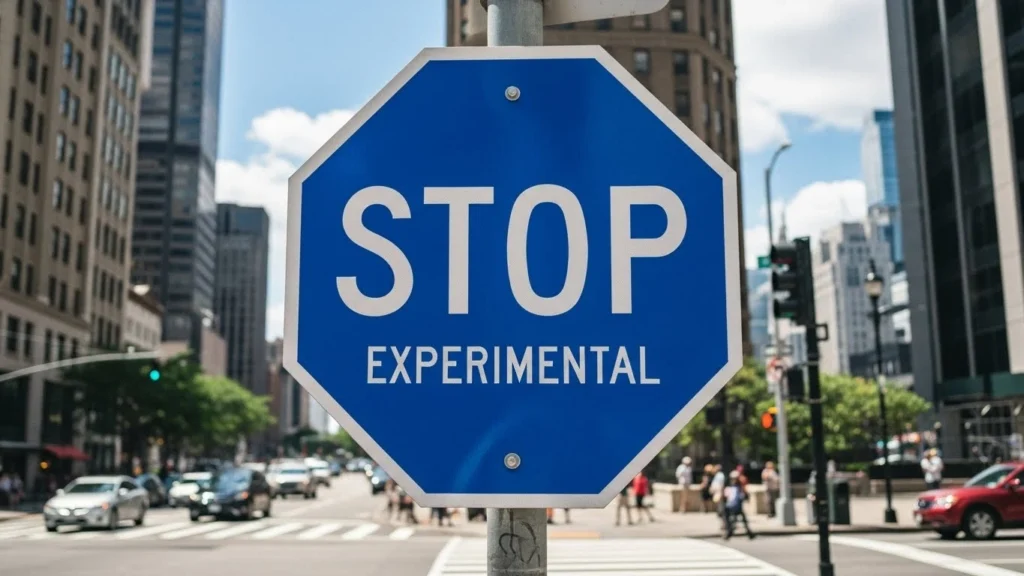
You won’t find blue stop signs on public roads, but you may see them in these places:
- 🏘️ Private neighborhoods
- 🏭 Industrial areas or factories
- 🛻 Private parking lots
- 🏞️ Campgrounds or parks
- 🎡 Amusement parks
- 🚧 Construction sites (rarely)
- 🧸 Kids’ play areas
- 🛒 Shopping plaza property
✨ Tone & Legality:
- ❌ Not legal as road signs
- ✔️ Okay for private land
- ✔️ Used for decoration or attention
- ❌ Not recognized by traffic law
💬 Examples of a Blue Stop Sign in Real Situations
Here are realistic examples showing how someone might talk about or encounter a blue stop sign:
- A: “I just saw a blue stop sign at the campsite 😂”
B: “lol those aren’t real, just for decoration.” - A: “the warehouse has blue stop signs everywhere 😭”
B: “yeah private companies sometimes customize them.” - A: “is a blue stop sign even legal??”
B: “not on real roads. only on private property.” - A: “why is this stop sign blue 😭 i got so confused”
B: “it’s probably a novelty one.” - A: “google says stop signs are always red??”
B: “yup. blue ones aren’t official anywhere.” - A: “i thought i was color blind for a sec seeing a blue stop sign 💀”
B: “same bro i’d panic.” - A: “the sign looks cool tho”
B: “yeah ppl use them for aesthetics.”
🕓 When to Take a Blue Stop Sign Seriously (And When Not To)
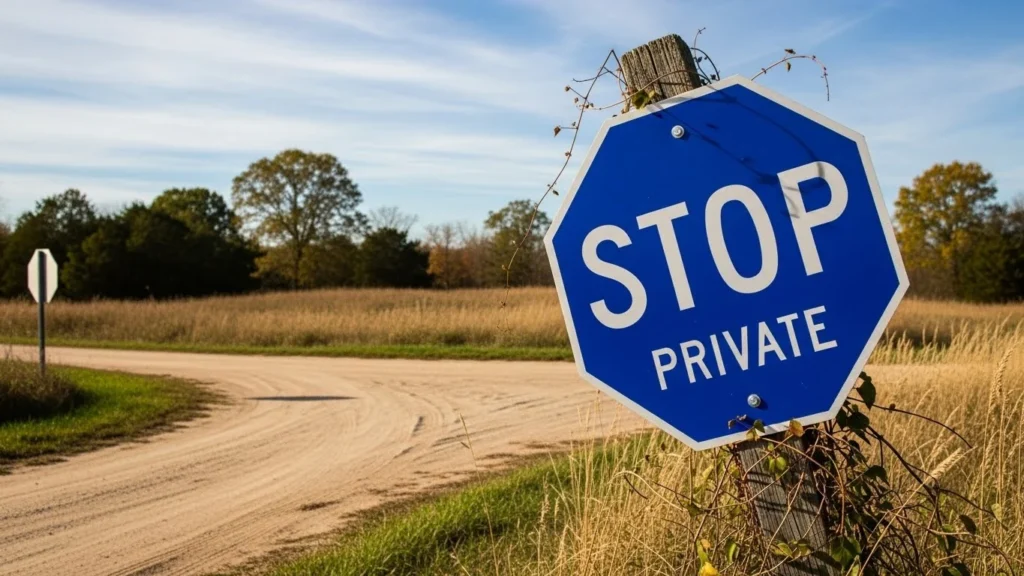
✅ When a Blue Stop Sign Matters
You should pay attention when it’s on:
- Private property
- Warehouse or facility roads
- Parking lots
- Gated community streets
- Campgrounds or parks
- Places with internal traffic rules
These areas expect you to follow the instructions to avoid accidents.
❌ When a Blue Stop Sign Does NOT Matter
You don’t treat it like an official road rule when:
- Driving on public roads
- Following government-regulated routes
- Taking driving tests or exams
- Interpreting traffic laws
Blue stop signs have zero legal authority on public highways.
Comparison Table
| Context | Example Blue Sign Situation | Why It Works / Doesn’t Work |
|---|---|---|
| Private Parking Lot | Blue “STOP” before exit | Internal traffic control only |
| Warehouse | Blue stop sign for forklift routes | Safety measure for employees |
| Public Road | Blue stop sign on a street | ❌ Not legal or recognized |
| Residential Decor | Blue sign used as wall art | Decorative only |
| Driving Test | Blue stop sign shown | ❌ Not valid, not part of traffic law |
🔄 Similar Signs or Alternatives
| Sign/Color | Meaning | Where Used |
|---|---|---|
| Red Stop Sign | Mandatory stop | Public roads |
| Blue Information Signs | Services, rest areas, guidance | Highways |
| Yellow Warning Signs | Caution, hazards | Roads & construction zones |
| Green Direction Signs | Routes, locations | Highways & urban roads |
| White Regulatory Signs | Speed limits, rules | Public roadways |
| Orange Signs | Construction warnings | Work zones |
❓ FAQs About Blue Stop Signs
1. Are blue stop signs official?
No. They are not used by official traffic departments.
2. Are blue stop signs legal to install?
Yes—only on private property.
3. Why are real stop signs always red?
Because red universally signals danger, urgency, and immediate attention.
4. Do blue stop signs mean something different?
Not officially. They usually serve decorative or private-use purposes.
5. Can a police officer ticket you for ignoring a blue stop sign?
Not on public roads.
But on private property, the owner may enforce rules.
6. Are blue stop signs used in any country officially?
No. No country uses blue as the standard color for stop signs.
7. Why do companies use blue stop signs?
For branding, visibility, or internal guidelines.
Conclusion
A blue stop sign is one of those things that instantly confuses people because we all associate stop signs with the classic red design. But now you know: blue stop signs are not official, not legally recognized, and mostly used in private areas for unique styling or internal safety rules.
So if you ever come across one, you won’t be scratching your head anymore—you’ll know exactly why it’s there!
